White Vinegar: A Western Typeface Built on Contrast and Character
When a typeface manages to feel both rugged and refined at the same time, it deserves a closer look. White Vinegar is exactly that kind of offering. It draws from old wood type and western typographic traditions, but it does not simply imitate the past. Instead, it brings a deliberate tension between rough and smooth, between distressed and clean. That tension is what makes it useful for a wide range of projects, and why it is worth evaluating on its own merits rather than lumping it in with other rustic or vintage fonts.
What Makes White Vinegar Distinctive
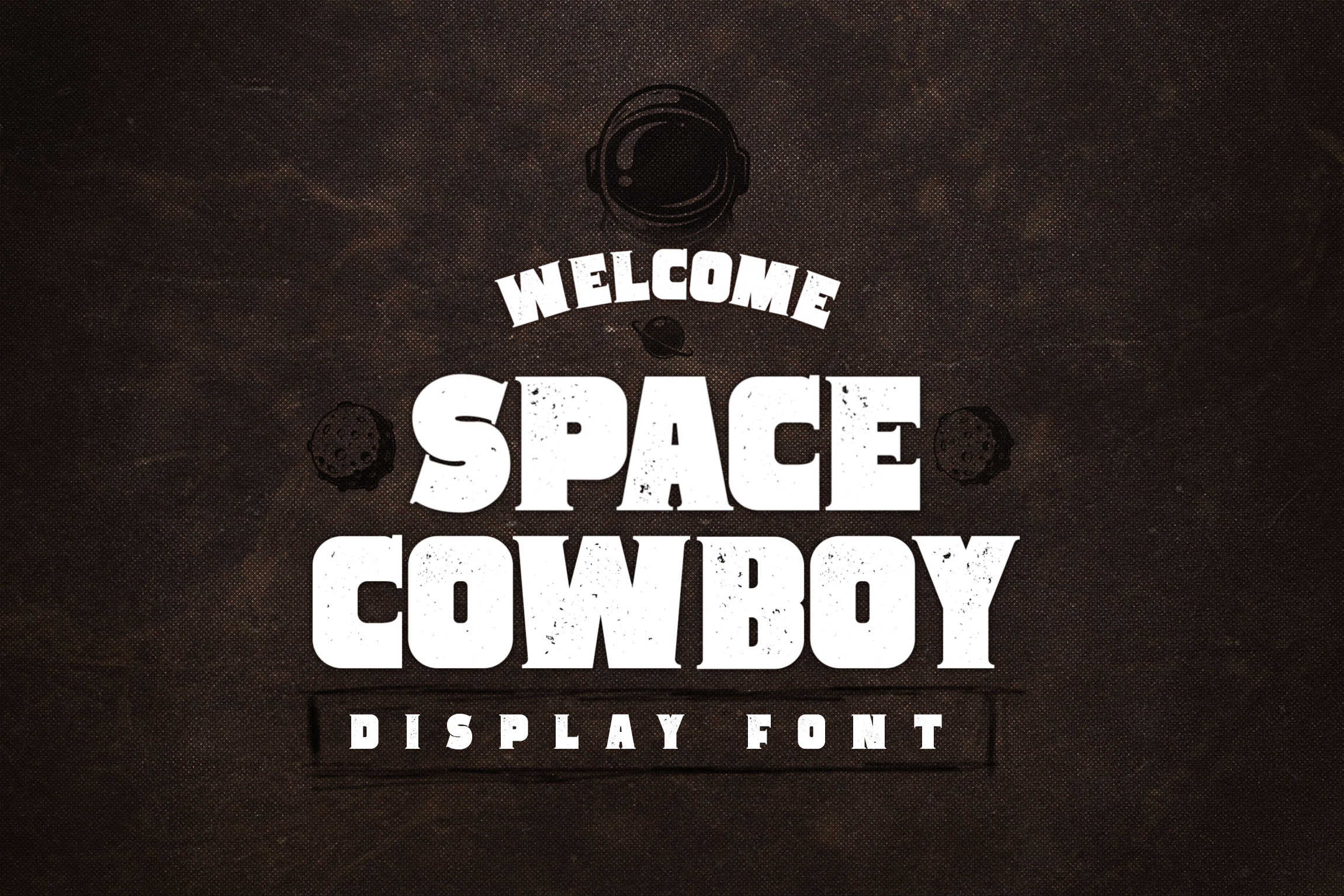
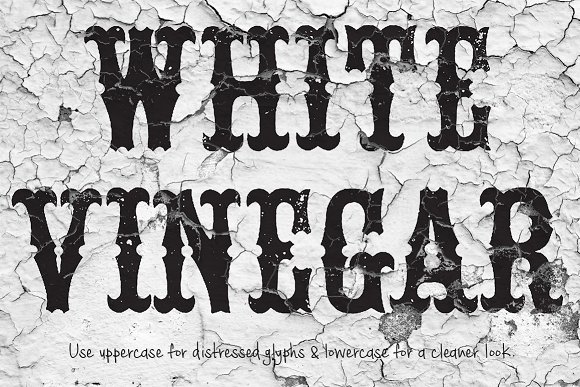
At first glance, White Vinegar looks like it belongs on a saloon sign or a weathered crate. The uppercase glyphs carry visible distress marks, nicks, and irregularities that suggest years of wear. The lowercase letters, by contrast, appear noticeably cleaner and more straightforward. This is not an accident. The designer built the typeface around that contrast, giving users two distinct voices within a single font family.
The uppercase set leans into the western wood type heritage. The serifs are sturdy, the proportions are wide and assertive, and the distressed texture is consistent without being overwhelming. You can still read every letter clearly, even at smaller sizes. That matters because many distressed fonts sacrifice legibility for atmosphere. White Vinegar avoids that trap by keeping the damage mostly on the surface rather than altering the underlying letter shapes.
The lowercase set, being cleaner, provides a counterbalance. It reads faster and feels more modern, even though the basic construction still echoes the same western roots. When you set a headline in all caps and pair it with lowercase body text, the result has a layered texture that feels intentional rather than chaotic.
The Dual Personality of Uppercase and Lowercase
This split personality is the core strength of White Vinegar. Many display fonts offer one mode, and that is usually enough for short headlines. But when you need to set longer passages or mix display text with supporting copy, a single-mode font can feel repetitive or exhausting. White Vinegar solves that by giving you two distinct textures that still belong to the same family.
In practice, this works well for packaging, branding, and signage where you want a strong visual hook but also need readable secondary information. The distressed uppercase grabs attention first. Then the cleaner lowercase sustains readability without clashing. The transition between the two feels natural because the underlying proportions and letterform logic stay consistent.
One realistic example is a product label for a small-batch craft product, such as a hot sauce or a barrel-aged vinegar. The product name set in distressed uppercase feels handmade and storied. The ingredients list or tasting notes in lowercase remain easy to read. The contrast reinforces the brand narrative without requiring two separate fonts that might not align well together.
Practical Applications and Real-World Performance
White Vinegar performs best at medium to large sizes. Headlines, posters, packaging, and hero text are its natural habitat. At sizes above 36 points, the distress marks become a deliberate texture that adds grit and authenticity. At smaller sizes, especially below 18 points, the uppercase distress can start to feel busy if the surrounding design is minimal. The lowercase, however, holds up well even at smaller settings because of its cleaner construction.
For digital use, the font works across web and screen applications, but it truly shines in print or in contexts where a tactile, analog feel is appropriate. If you are designing for a brand that wants to communicate heritage, craftsmanship, or a rugged aesthetic, White Vinegar delivers that tone without trying to be cute or overly decorative.
The weight is consistent across the character set, and the spacing feels generous without being loose. You do not need to manually adjust kerning much for standard usage. The glyph set includes basic punctuation, numerals, and common symbols, which is sufficient for most projects. There are no extravagant swashes or alternates, which keeps the font straightforward to use but also means you rely on the core contrast for visual interest.
Where It Fits Naturally
- Branding for craft food, beverage, and spirits – The western wood type heritage pairs well with premium artisanal positioning.
- Event posters and flyers – Especially for music festivals, rodeos, markets, or outdoor gatherings where a rugged look matches the atmosphere.
- Packaging for hardware, tools, or outdoor gear – The distressed uppercase communicates durability and experience.
- Editorial headers and magazine spreads – When used sparingly, it adds contrast without overwhelming the page layout.
- Logos and wordmarks – For small businesses or personal brands that want a handcrafted feel without looking amateurish.
Who Benefits Most from White Vinegar
This typeface is best suited for designers, marketers, and business owners who work with brands that have a story rooted in tradition, craftsmanship, or the American West. That does not limit it to literal western themes. Many modern brands adopt a rustic or heritage aesthetic without being geographically specific. A coffee roaster in Brooklyn, a furniture maker in Portland, or a leather goods brand in Austin can all use White Vinegar effectively.
Freelancers and small business owners will appreciate that the font does not require a lot of extra styling to look intentional. It has enough character to carry a simple layout on its own. You can pair it with a clean sans-serif like Helvetica or Open Sans for contrast, or let it stand alone in a more minimal design.
Publishers and bloggers may find it useful for section headers or pull quotes, especially in long-form content that needs visual breaks. The uppercase distress adds a tactile feel to digital reading experiences, which are often too smooth and sanitized. It gives the reader something to notice, without distracting from the content itself.
What to Watch For
No typeface is perfect for every situation. White Vinegar has a few limitations worth noting. The distressed uppercase, while legible, can feel repetitive if used across long blocks of text. It is a display face first and a text face second. For extended reading, the lowercase is the better choice, but even that works best in moderate lengths rather than full article bodies.
If your project demands a very modern, minimal, or corporate tone, this font will feel out of place. It carries a strong personality and does not fade into the background. That is a strength when you want presence, but a limitation when you need neutrality.
Additionally, the font does not include extended language support or advanced OpenType features. If your project requires accented characters beyond basic Western European languages, you may need to supplement with another typeface. This is common with display fonts that focus on visual character rather than technical breadth.
Long-Term Value and Versatility
One of the strongest arguments for White Vinegar is its longevity in a design toolkit. Trends come and go, but the combination of distressed and clean letterforms within a single family gives it a flexibility that many other rustic fonts lack. You can use it for a gritty, worn-in project one month and a cleaner, more refined project the next, simply by leaning on the lowercase set and using capitals sparingly.
The font also holds up well in repeated use. Because the distress marks are consistent and not randomly generated, the same letter looks the same every time you use it. That reliability matters for branding and packaging where consistency is critical. You are not gambling with variable texture that might look good in one mockup and messy in another.
For serious hobbyists and creators who work on multiple projects over time, investing in a typeface like White Vinegar means less time searching for the right font later. It covers a specific aesthetic territory that many designers find themselves returning to again and again. It is not a one-trick pony. It is a workhorse for a particular mood and audience.
Final Observations
White Vinegar succeeds because it understands its own limits and works hard within them. It does not try to be elegant or versatile in every direction. It offers a clear, honest voice rooted in western wood type, and it gives you two distinct registers to work with. That is more than many display fonts provide, and it makes the typeface genuinely useful rather than merely decorative.
If your work involves brands, products, or content that benefit from a handcrafted, weathered, or heritage feel, this font deserves a place in your consideration set. It is not the right choice for every project, but when it fits, it fits naturally and adds value without requiring a lot of extra effort to make it work.
The best test is to open a sample, set your project name in uppercase, your tagline in lowercase, and see if the contrast tells the story you want to tell. For many designers and business owners, the answer will be yes.