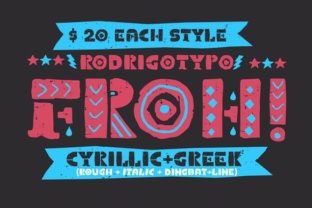
Froh: A Playful Typeface Designed for Illustrators and Strategic Creators
Typeface decisions are rarely trivial. The right font can shape perception, reinforce a message, and quietly guide how an audience feels about your work. Froh, created by Rodrigo Typo, is a playful typeface built specifically with illustrators in mind. But its value extends far beyond the illustrator’s sketchpad. When used with intention, Froh becomes a strategic tool for communication, branding, and creative projects that demand personality without sacrificing clarity.
This article explores what Froh is, why it matters for decision-makers, and how to deploy it thoughtfully to support your goals—whether you are building a brand, crafting a campaign, or developing visual content that needs to stand out.
What Makes Froh Distinct?
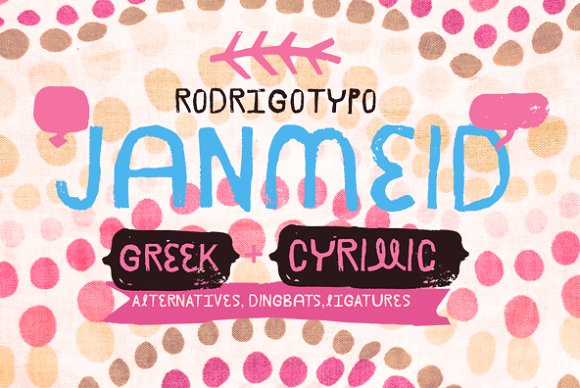
Froh is not a neutral, corporate typeface. It carries a hand-drawn quality, an organic rhythm, and a sense of spontaneity that feels refreshing in a landscape dominated by polished sans serifs and rigid geometric fonts. Rodrigo Typo designed Froh specifically for illustrators, which means it prioritizes expressiveness over uniformity. Each character appears to have been drawn with a marker or brush, giving it texture, warmth, and a slightly unpredictable charm.
This is not a font you choose when you want to blend in. It is a font you choose when you want to signal creativity, approachability, and a human touch. For professionals who need to communicate complex ideas in an accessible way, Froh can serve as a bridge—making otherwise formal or dense content feel inviting.
Where Playfulness Meets Purpose
Playfulness in design is often misunderstood as frivolous. In reality, strategic playfulness can increase engagement, reduce cognitive friction, and make your message more memorable. Froh’s character shapes naturally draw the eye without overwhelming the reader. The irregular stroke widths and slightly uneven baseline evoke a handmade quality that suggests authenticity rather than automation.
For entrepreneurs and small business owners, this can be a significant advantage. In a crowded marketplace, audiences are increasingly skeptical of overly polished, “corporate” messaging. A typeface like Froh, used intentionally, signals that you are human, that you value creativity, and that you are not afraid to show a little personality.
Strategic Use Cases for Froh in Your Work
Froh is a specialized tool, not a workhorse for body text. Knowing where and how to apply it is the difference between a design that feels intentional and one that feels chaotic. Below are practical scenarios where Froh can support your goals across branding, communication, and creative production.
Branding for Creative Businesses
If you run a studio, consultancy, or product line that relies on visual storytelling, Froh can anchor your brand identity with warmth. It works especially well in:
- Logos and wordmarks that need a handcrafted feel without looking amateurish
- Taglines and short headlines where the font’s personality can shine without competing with complex layouts
- Packaging and labels for artisanal or creative products, where the typeface reinforces the handmade nature of the goods
When pairing Froh with other typefaces, choose clean, minimal fonts for body copy. A simple sans serif like Open Sans or Lato provides contrast and keeps the overall layout readable. This balance prevents Froh from overwhelming the design while still allowing it to lead the visual tone.
Marketing and Social Media Content
For marketers and content creators, Froh can differentiate your feeds and collateral in a sea of templated visuals. Consider using it for:
- Social media quotes and pull quotes to add emphasis and personality
- Email newsletter headers that invite subscribers to read further
- Landing page hero text when your brand voice is conversational and creative
The key is restraint. Use Froh for the focal point only. Let the rest of your typography remain simple. This approach gives your message a distinctive visual anchor without compromising legibility or professionalism.
Educational and Instructional Materials
Educators, trainers, and course creators can use Froh to make learning materials feel more approachable. Worksheets, slide decks, and digital handouts benefit from the font’s friendly energy. Learners often respond better to materials that feel less sterile, and Froh can shift the tone from clinical to inviting without losing authority.
For example, a headline like “Let’s Get Started” set in Froh immediately lowers the psychological barrier to engagement. Paired with clean instructional body text, it creates a hierarchy that is both clear and warm.
Planning Your Approach to Froh
Using Froh effectively requires planning. Relying on it without context or clear objectives can lead to visual inconsistency or diluted messaging. Below are strategic considerations to guide your decision-making.
Define the Emotional Target First
Before you apply Froh to any project, ask yourself: What feeling do I want my audience to experience? If the answer includes warmth, creativity, spontaneity, or approachability, Froh is a strong candidate. If the goal is authority, precision, or formality, look elsewhere. Matching the typeface to the emotional outcome is the first step toward intentional design.
Test for Legibility at Different Sizes
Froh is best suited for display use. At small sizes, its irregular strokes can reduce readability, especially in dense paragraphs. Plan your layouts so that Froh appears in headlines, subheadings, or short blocks of text—not in lengthy body copy. A practical rule of thumb: if the text is longer than one or two sentences, use a complementary, more neutral font for the body.
Consider Your Audience’s Context
Who is receiving your message? A playful typeface resonates differently across demographics and industries. For creative professionals, artists, or younger audiences, Froh signals alignment with their values. For more conservative stakeholders—such as legal professionals, financial advisors, or healthcare providers—the same typeface may feel out of place unless carefully integrated into a broader visual system that retains trustworthiness.
If your audience includes both creative and traditional decision-makers, consider using Froh in internal or supplementary materials rather than primary client-facing documents. This allows you to test its impact without risking misalignment.
Risks of Using Froh Without Intention
No typeface is universally appropriate, and Froh is no exception. Understanding the risks helps you avoid common pitfalls that can undermine your goals.
Loss of Credibility in Formal Contexts
If you use Froh in a context where your audience expects seriousness—such as a legal disclaimer, financial report, or technical manual—you risk diminishing your perceived competence. The playful nature of the font can conflict with the gravity of the content, leading to confusion or mistrust. Always assess the genre and stakes of your communication before applying Froh.
Overuse and Visual Fatigue
A little playfulness goes a long way. Using Froh across every element of a page or brand identity can create visual noise. Readers may struggle to identify what is important when everything competes for attention. Reserve Froh for the most important message on the page. Let restraint amplify its impact.
Accessibility and Legibility Concerns
Froh’s hand-drawn aesthetic means it does not adhere to the strict geometric uniformity that improves screen readability at small sizes. For audiences with visual impairments or reading difficulties, this can pose a barrier. Always provide sufficient contrast, avoid using Froh for critical navigation text, and ensure that your layouts include fallback fonts for assistive technologies.
Long-Term Value of a Playful Typeface
When used strategically, Froh contributes to long-term brand equity. Audiences remember how a brand makes them feel, and a distinctive typeface becomes part of that emotional memory. Over time, consistent use of Froh in the right contexts can:
- Strengthen brand recognition by creating a unique visual signature
- Reinforce brand personality as creative, human-centered, and approachable
- Differentiate your content in competitive markets where visual sameness is common
The longevity of this effect depends on disciplined application. Treat Froh not as a novelty, but as a deliberate design asset with specific strengths and boundaries.
Integrating Froh Into a Larger Visual System
If you are building a brand or content system that will evolve over time, plan how Froh fits into your overall typographic hierarchy. Document usage guidelines that specify:
- Where Froh can be used (headlines, short quotes, logo)
- Where it should not be used (body text, footnotes, legal copy)
- Complementary typefaces that pair well with Froh
- Minimum size thresholds for digital and print applications
This documentation ensures that anyone working with your brand—designers, marketers, or content creators—applies Froh consistently and intentionally. It protects the integrity of your visual identity while allowing the font to do its job effectively.
Practical Decision-Making Framework for Froh
Before you commit to using Froh in a project, run it through this simple four-question framework:
- Does the emotional tone of my message align with playfulness and creativity?
- Will Froh appear at a size where its details remain legible and impactful?
- Is my audience likely to respond positively to a hand-drawn aesthetic in this context?
- Have I reserved Froh for the most important element, and paired it with neutral typefaces for everything else?
If you answer “yes” to all four, Froh is a strong choice. If any answer is “no,” reconsider your application or explore alternative typefaces that better match the context.
Final Thoughts on Using Froh Strategically
Froh is more than a playful font from Rodrigo Typo. It is a strategic resource for creators, marketers, and business owners who understand that design choices carry meaning. When chosen with intention and applied with discipline, Froh can elevate your communication, strengthen your brand, and make your work feel more human.
The difference between a font that is merely fun and a font that is functionally effective comes down to planning. Define your goals, know your audience, test your applications, and always pair Froh with restraint. By treating this typeface as a deliberate part of your decision-making process, you gain access to its full potential—without falling into the traps of overuse or misplaced context.
Whether you are an illustrator building a visual identity, a marketer crafting a campaign, or a small business owner looking to stand out, Froh offers a path to communication that feels both creative and credible. The key is to use it not because it is available, but because it serves a clear purpose in your broader strategic landscape.