Velasco and Velasco: Evaluating a Font Rooted in Western and Tattoo Culture
When selecting a typeface for a project, the decision often goes beyond aesthetics. Fonts carry cultural weight, historical references, and emotional resonance. Velasco and Velasco is one such typeface that occupies a distinct niche, drawing direct inspiration from American western culture and tattoo traditions. Understanding what this font offers, where it excels, and where it may fall short is essential for designers, brand managers, and creatives evaluating whether it aligns with their goals.
What Is Velasco and Velasco?
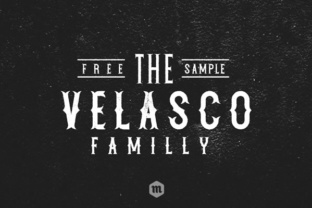
Velasco and Velasco is a decorative display typeface that merges visual cues from two interconnected cultural streams: the iconography of the American West and the bold, permanent aesthetics of tattooing. The letterforms typically feature sharp serifs, rugged edges, and a hand-drawn quality reminiscent of wood-carved signage, saloon lettering, and tattoo flash art from the late 19th and early 20th centuries. Its name itself evokes a sense of frontier heritage, though the font is a contemporary creation designed to capture that vintage spirit.
Unlike many revival fonts that attempt to replicate historical lettering precisely, Velasco and Velasco leans into stylization. The characters often exhibit uneven stroke weights, intentional imperfections, and ornamental flourishes that mimic the wear and tear of old painted signs or the needlework of traditional tattooing. This makes it a textural and narrative font rather than a neutral, utilitarian one.
Why Velasco and Velasco Attracts Interest
There are several reasons a designer or brand might gravitate toward Velasco and Velasco. First, its cultural associations are strong and immediate. The American western aesthetic evokes themes of independence, craftsmanship, nostalgia, and ruggedness. Tattoo culture adds layers of permanence, rebellion, and personal storytelling. When combined, these elements create a typeface that feels authentic and grounded, particularly for projects that want to communicate heritage or a handmade ethos.
Second, the font stands out in a crowded marketplace. Many display fonts aim for polish and uniformity, but Velasco and Velasco embraces irregularity. For someone looking to break away from sterile, corporate typography, this font offers character and a sense of history. Its visual roughness can make a design feel more approachable and human.
Third, the font is versatile within its niche. While it is clearly themed, it can be adapted across various media: logos, posters, packaging, apparel, signage, and digital headers all benefit from its distinct personality when the context is appropriate.
Benefits, Tradeoffs, and Practical Considerations
Like any specialized typeface, Velasco and Velasco comes with clear benefits and tradeoffs. Understanding both is essential for making an informed choice.
Benefits
Strong visual identity: The font immediately establishes a mood and a setting. A brand or project using Velasco and Velasco signals its thematic allegiance from the first glance. This can be a major advantage for businesses in industries like craft distilling, western apparel, leatherworking, tattoo shops, vintage diners, or music festivals with a roots-country or Americana angle.
High memorability: Distinctive lettering is more likely to be remembered. For small businesses or event branding, the font's uniqueness can help cut through visual noise. The tattoo influence, in particular, gives it a handcrafted feel that resonates with audiences who value authenticity over mass production.
Narrative depth: Fonts are storytelling tools. Velasco and Velasco does not just present words; it carries a backstory. For projects where the origin story or cultural roots are part of the brand message, this typeface reinforces that narrative without needing additional explanation.
Tradeoffs and Limitations
Low readability for extended text: Velasco and Velasco is a display font, not a body text font. Its ornate and irregular lettering makes it difficult to read in long paragraphs, small sizes, or dense layouts. Using it for headlines, short phrases, or logotypes is ideal, but applying it to body copy or detailed instructions will likely frustrate readers and reduce comprehension.
Strong thematic bias: The western and tattoo inspiration is unmistakable. This means the font can feel out of place or even comical when used for contexts that do not align with its cultural cues. A modern tech startup, a healthcare provider, or a corporate financial service would likely find the font mismatched with their identity. The very quality that makes it powerful in one setting can make it limiting in another.
Potential for overuse or cliché: Because the font wears its inspiration so openly, it runs the risk of feeling like a stereotype if not used thoughtfully. In a field where many brands chase the same vintage aesthetic, overreliance on such a distinctive font can make a design feel derivative rather than original. Careful pairing with more neutral typography and restrained usage is often necessary to avoid this pitfall.
Licensing and availability: Depending on the specific version of Velasco and Velasco, licensing terms may vary. Some versions are commercial fonts with usage restrictions, while others may be free for personal use but require a license for commercial branding. Designers should verify the licensing terms before committing to the font for a client project to avoid legal or budget issues later.
Where Velasco and Velasco Is a Strong Fit
Certain scenarios make Velasco and Velasco an excellent choice. If your project falls into any of the following categories, this font is worth serious consideration.
- Branding for western-themed businesses: Saddle makers, cowboy boot manufacturers, western wear retailers, ranch equipment companies, and saloon-style restaurants can all benefit from the font's direct visual link to their industry.
- Tattoo studios and related merchandise: The font's tattoo-inspired roots make it a natural fit for shop logos, flash sheets, apparel, and promotional materials within the tattoo community.
- Event design for Americana or country music festivals: Posters, tickets, banners, and merchandise for events celebrating country music, rodeos, or western heritage will feel cohesive and authentic with this typeface.
- Packaging for craft products: Artisanal spirits, small-batch sauces, leather goods, and handmade soaps often benefit from a font that communicates craftsmanship and tradition. Velasco and Velasco can reinforce that message on labels and boxes.
- Vintage or retro-themed projects: Any design that aims to evoke the late 1800s or early 1900s in the American frontier context will find the font aligns with its visual goals.
In these contexts, the font does not just look appropriate; it actively supports the brand's story and helps build a coherent visual language.
When to Consider Alternatives
Velasco and Velasco is not a universal solution. There are situations where another typeface may serve the project better, even if the western or tattoo inspiration initially seems appealing.
- Projects requiring neutrality or professionalism: For corporate communications, legal documents, academic materials, or healthcare branding, a clean, highly legible serif or sans-serif font is usually more appropriate. The thematic weight of Velasco and Velasco can undermine credibility in these spaces.
- Long-form reading: If your content includes articles, product descriptions, or instructional text longer than a few lines, a display font like Velasco and Velasco should be reserved for headings only. Pair it with a complementary but simpler font for body copy.
- International or multicultural branding: The American western theme is culturally specific. For brands targeting global audiences or those that want to avoid regional associations, a more universal typeface may be preferable. The font's references may not translate meaningfully outside North America.
- Minimalist or modern aesthetics: Clean, minimalist design trends often rely on simplicity and negative space. Velasco and Velasco's ornate and textured nature clashes with that approach. If your design language is contemporary and understated, this font will feel dissonant.
- Budget-conscious projects: If the font requires a commercial license that does not fit the budget, or if the client does not want to pay for a specialized typeface, free alternatives or system fonts with similar characteristics may need to be explored. Open-source options like Coustard, Bitter, or Oranienbaum offer some historical flavor without the same cost or thematic specificity.
Practical Decision-Making Insights for Choosing Velasco and Velasco
Selecting a font is rarely a binary decision. Instead, it involves weighing the project's goals, audience, medium, and brand identity. Here are practical steps to determine whether Velasco and Velasco aligns with your needs.
Start with the project's purpose. Ask what message you want the typography to convey. If the answer involves words like heritage, authenticity, craftsmanship, rebellion, or Americana, Velasco and Velasco is likely worth testing. If the words are professionalism, clarity, accessibility, or modernity, you may want to look elsewhere.
Test the font in context. A font that looks striking on a foundry website may behave differently in a real layout. Download a trial version or use placeholder mockups to see how Velasco and Velasco performs at different sizes, on different backgrounds, and alongside other design elements. Pay attention to legibility from a distance, especially for signage or large-format prints.
Consider pairing. No font works in isolation. Velasco and Velasco pairs best with simple, highly legible typefaces that do not compete for attention. A clean sans-serif like Montserrat, Lato, or Open Sans can provide contrast while ensuring readability for secondary text. Avoid pairing it with another ornate or decorative font, as the result can be chaotic.
Think about longevity. Trends come and go. A font closely tied to a specific aesthetic may feel dated as cultural preferences shift. If the project has a long lifespan, consider whether the font's references will still resonate in five or ten years. For short-term campaigns or one-off events, this is less of a concern.
Evaluate the competition. If every brand in your sector uses western-themed typography, Velasco and Velasco may blend in rather than stand out. Conversely, if the niche is underserved, the font can give you a distinctive edge. Research your competitors' visual identities to see whether this typeface offers differentiation or duplication.
Check technical requirements. Ensure the font supports the characters you need, including special punctuation, accented letters, or numbers. Some decorative fonts have limited glyph sets, which can cause problems for multilingual projects or specific formatting needs.
By approaching the selection with these considerations in mind, you can make a decision that serves both the project's goals and the audience's expectations. Velasco and Velasco is a powerful tool when used deliberately, but like any specialized resource, its value depends entirely on the context in which it is applied.