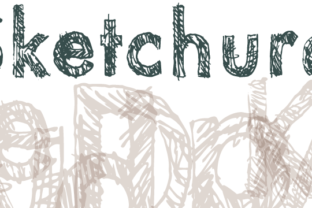
Sketchura: A Gritty, Hand-Sketched Twist on Futura
The relentless pursuit of pixel-perfection in graphic design has inadvertently created a new hunger—one for the raw, the imperfect, and the deeply human. When every brand uses the same sleek vector fonts, standing out requires a bolder choice. This is precisely where Sketchura enters the conversation. As a hand-sketched deconstruction of the classic Futura, it offers designers an organic centerpiece that injects instant character, warmth, and a rebellious spirit into any grungy design application.
More Than a Font: The Value of Imperfection in Visual Design
Typography is the bedrock of brand identity. While clean and legible sans-serifs are essential for body copy and functional UI, your headline is often the first handshake with your audience. Sketchura acts as that memorable, firm grip. It leverages the familiar geometric structure of Futura—a typeface synonymous with modernist aesthetics and forward-thinking visual communication—but disrupts it with visible pencil strokes, ink bleeds, and varying line weights. This contradiction creates a powerful visual tension. It feels both timeless and contemporary, structured yet utterly organic.
For design professionals working on creative projects, this typeface is a shortcut to establishing a specific mood. It immediately signals authenticity, craftsmanship, and a departure from the corporate norm. Whether you are building a brand identity for a craft brewery, designing packaging for an artisanal product, or creating social media graphics that demand attention, Sketchura provides the tactile texture that digital screens so often lack.
Practical Applications Across Design Disciplines
The versatility of a hand-sketched typeface extends far beyond just logo design. Here are a few high-impact areas where Sketchura can elevate your visual design and improve user engagement:
- Branding and Logo Design: Perfect for businesses that want to emphasize grit, determination, or handcrafted quality. It works exceptionally well for agencies, studios, music venues, and product brands looking to establish a strong, memorable mark.
- Editorial and Print Design: In a world of digital saturation, print is making a strong comeback. Sketchura adds a beautiful tactile quality to magazine spreads, posters, and zines, creating a compelling visual hierarchy that draws the reader’s eye.
- Web and UI Design: Used sparingly, it serves as an incredible accent in digital interfaces. Use it for hero section headers or key call-to-action buttons to introduce a sense of hand-drawn creativity into the user experience without sacrificing readability.
- Packaging Design: On a shelf full of glossy, mass-produced products, a design using Sketchura stands out. It suggests small-batch production and a personal touch, which directly influences consumer perception and buying behavior.
- Digital Marketing & Advertising: Whether it is a gritty poster campaign or a series of social media assets, this typeface helps cut through the noise of polished, generic advertising.
Integrating Sketchura into Your Design Workflow
As with any powerful tool, context is key. Sketchura thrives when it is given room to breathe. Because of its high level of detail and organic texture, it is best used as a display or headline font. Pairing it with a clean, neutral sans-serif (like the original Futura or a contemporary workhorse) creates a stunning balance. The clean type provides readability and structure, while Sketchura delivers the emotional punch necessary for strong visual hierarchy.
Consider your color palette carefully. Monochromatic schemes often work best, allowing the texture of the sketched lines to take center stage. Alternatively, using a high-contrast color against a dark or earthy background can amplify the gritty aesthetic. The key is consistency—once you introduce this level of personality into your creative assets, your imagery, iconography, and overall composition should support the same raw, authentic energy.
Meeting the Demand for Modern Aesthetics
Current design trends show a clear shift toward authenticity. The sterile, ultra-minimalist aesthetic of the early 2010s is giving way to a more expressive, maximalist, and handmade feel. Audiences are drawn to materials and creative assets that feel less automated and more human. Sketchura perfectly aligns with this movement, offering designers a tool to bridge the gap between digital efficiency and true artistic expression.
For marketing professionals and business owners, adopting such a distinctive typeface can significantly strengthen brand identity. When a potential customer sees a headline that looks like it was drawn by a human hand, it creates an immediate emotional connection. It signals that the brand is willing to put in the effort, to be different, and to prioritize creativity over conformity.
Ultimately, the most effective visual communication strategies are built on contrast and intentionality. By choosing a font like Sketchura, you are making a deliberate decision to embrace texture, personality, and imperfection as core components of your brand story. It is a powerful reminder that in a filtered and polished world, the unpolished truth often cuts through the noise with the most clarity and lasting impact.