Brushaff: When Roughness Becomes a Strategic Design Choice
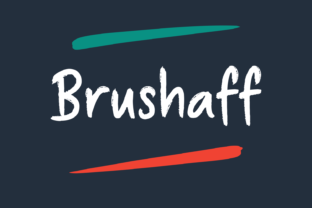
Every font carries a message beyond the words it forms. Brushaff, a brushed typeface with an eroded, weathered appearance, is not just another decorative option—it is a deliberate visual statement. Its rough edges and distressed texture communicate authenticity, imperfection, and a handcrafted feel that polished fonts rarely achieve. For entrepreneurs, marketers, creators, and decision-makers who understand that design is a strategic lever, Brushaff offers a way to break through digital noise and convey a grounded, human presence. However, using it effectively requires more than a casual download; it demands a thoughtful alignment with your goals, audience, and broader context.
This article explores how Brushaff can serve as a tool for better positioning, clearer communication, and more intentional creativity. We’ll examine when to deploy it, how to plan around it, and what risks to consider so that your choice remains strategic rather than impulsive.
Why a Font’s Texture Matters for Positioning and Goals
In a landscape saturated with pixel-perfect design, roughness stands out. Brushaff’s eroded look immediately signals that something is made, not mass-produced. For a brand aiming to position itself as artisanal, rebellious, or deeply human, this font can be a cornerstone of identity. Consider a craft brewery using Brushaff on bottle labels: the distressed strokes echo the tactile, small-batch nature of the product. Or a freelance photographer using it for portfolio headers to suggest raw, unposed storytelling.
The strategic value lies in contrast. When surrounded by clean, minimal interfaces, Brushaff draws attention and creates a focal point. For marketers, this can translate into higher engagement on social media banners or email headers. For small business owners, it can make a flyer feel memorable rather than forgettable. The key is to ask: Does my goal require a sense of immediacy, grit, or handcrafted warmth? If yes, Brushaff becomes more than a stylistic whim—it becomes a deliberate communication choice that supports your positioning.
Aligning Brushaff with Your Communication Objectives
Before applying Brushaff to any project, clarify what you want your audience to feel and do. The font’s eroded texture works best for short bursts of text—headlines, pull quotes, logos, or single words. Use it to amplify emotion or create a mood. For instance, a campaign about resilience might use Brushaff on hero imagery to evoke wear and durability. A product launch for outdoor gear could rely on its rugged appearance to reinforce durability.
Conversely, avoid using Brushaff for body copy, lengthy paragraphs, or small sizes. Its irregular edges reduce legibility, especially on screens or at small scales. This is not a failure of the font but a constraint you must respect. Pair it with a clean, neutral sans-serif (such as Open Sans or Montserrat) for supporting text. The contrast between rough headline and smooth body text creates a clear visual hierarchy that guides the reader’s eye. This pairing is a practical planning choice that improves both aesthetic impact and readability.
For educators and professionals preparing presentation slides, Brushaff can be used sparingly on title slides to signal a shift in tone—for example, a slide about overcoming challenges. But keep the content slides clean. Overusing the font dilutes its effect and can fatigue viewers.
Planning the Visual Hierarchy Around Brushaff
Good design is planned, not incidental. When you decide to incorporate Brushaff, map out the entire visual system first. Consider spacing: the font’s brush strokes often extend beyond standard letter boundaries, so adjust tracking and leading to avoid collisions. On digital platforms, test how it renders at different breakpoints. A headline that looks powerful on a desktop might become unreadable on a mobile screen if not sized appropriately.
Strategic planners should also think about color. Brushaff works best on neutral, muted, or earthy backgrounds—off-white, deep charcoal, kraft paper tones. High-contrast combinations (bright background, dark font) can exaggerate the erosion and make it feel messy rather than expressive. On the other hand, low contrast can reduce impact. Testing a few combinations before committing to a template saves time and preserves brand consistency.
If you are a blogger or content publisher, consider using Brushaff for your site’s hero section or post titles in a specific category (e.g., “Behind the Scenes” or “Raw Stories”). This creates a visual cue for readers that the content will be more personal or unpolished. It becomes part of your brand’s narrative shorthand.
Practical Use Cases Across Different Roles
Different audiences can deploy Brushaff in ways that support their unique goals.
- Entrepreneurs and small business owners can use Brushaff on product packaging, restaurant menus, or store signage to reinforce a handmade or local identity. For example, a ceramics studio might print tags with the font to mirror the uneven, tactile quality of their work. The eroded look subtly promises that every piece is unique.
- Marketers and creators running social campaigns for limited-edition drops or seasonal events can use Brushaff for announcement graphics. The roughness suggests urgency and exclusivity—this is not a permanent, polished offer but a moment in time. Pair it with a countdown timer for extra effect.
- Freelancers and designers can apply Brushaff to portfolio headers, case study titles, or personal branding materials. It signals creativity and a willingness to step away from the corporate norm. But use it sparingly: one or two bold touches per page avoid overwhelming the viewer.
- Educators and hobbyists preparing workshop materials or zines can use Brushaff to make their resources feel approachable and less formal. A printed worksheet titled “Creative Warm-Ups” with Brushaff headers invites play and experimentation.
- Publishers and bloggers writing about travel, craftsmanship, or personal stories might use Brushaff for pull quotes or chapter headings. It adds a tactile dimension to digital reading, making the content feel more intimate.
For each use case, the common thread is intention: Brushaff should amplify a specific message, not decorate a page aimlessly. Ask yourself: Would this message lose or gain power if set in a standard sans-serif? If the answer is “gain power,” Brushaff is likely a good choice.
Risks and Considerations Before Committing to Brushaff
Relying on Brushaff without clear context can backfire. Its weathered look can appear gimmicky if overused or applied in the wrong setting. For example, a financial advisory website or a legal document would seem unprofessional with Brushaff headlines because the audience expects precision and trust. In those contexts, the font’s roughness undermines credibility rather than building it.
Another risk is inconsistency. If your brand already uses multiple decorative fonts, adding Brushaff may create visual chaos. Establish a clear typographic system: one primary font for body, one accent font (Brushaff) for special moments. Avoid mixing it with other distressed or script fonts unless you have a strong reason and a skilled designer to manage it.
Legibility is a real constraint. Small text, low-contrast screens, and long reading distances will suffer. Always preview your design at actual size and on multiple devices. If you cannot read it comfortably, your audience won’t either. Have a backup plan—a more legible alternative for mobile views or secondary content—so that user experience remains high.
Trendiness is another consideration. Brushaff’s eroded style may evoke a specific era or aesthetic (e.g., 2010s hipster, urban streetwear). If your goal is timeless brand equity, you may want to limit its usage to campaign-specific assets rather than permanent logos. Test how the font feels alongside your long-term brand guidelines.
How to Evaluate Whether Brushaff Serves Your Long-Term Needs
Make the decision deliberately. Start with a small, reversible test: use Brushaff in a single email header or social post and measure engagement against a control. Ask a few trusted customers or colleagues for their reaction without revealing your intent. Does the font evoke the feeling you intended? Does it cause confusion or excitement?
Consider the medium. Brushaff shines in print (especially textured paper, canvas, or wood) because the erosion feels natural. On digital screens, its rough edges can be softened or sharp depending on resolution. If your primary output is digital, choose a weight that retains legibility and always test at various screen sizes. For long-term use—such as a brand mark—commission a custom logotype that incorporates Brushaff’s spirit but refines the unevenness for consistency across applications.
Also, keep licensing in mind. Brushaff may be a free or premium font; ensure you have the rights for your intended use (commercial, web embedding, etc.). A legal hiccup can undo months of planning.
Integrating Brushaff Into a Cohesive Design System
Once you decide to use Brushaff, integrate it into a broader system. Define rules for its usage: only for headings above a certain size, only on dark or neutral backgrounds, never for body text. Document these guidelines for your team or future collaborators. This prevents style drift and keeps your brand’s expression consistent.
From an operational perspective, Brushaff can improve productivity by reducing the number of options. Instead of browsing dozens of fonts for every new piece, your system prescribes Brushaff for specific roles. This speeds up design decisions and ensures that creativity is channeled into message, not font selection.
For learning and teaching, Brushaff serves as a case study in font psychology. When educators explain why a rough font works for a punk poster but not a bank website, they help students understand empathy and audience analysis. Brushaff becomes more than a tool—it becomes a lesson in strategic thinking.
Final Strategic Observations on Using Brushaff Intentionally
Brushaff offers a rare opportunity: a way to make your communication feel physically present in a digital world. Its eroded look is not a flaw but a feature—when used with purpose. The decision to use it should come from an understanding of your audience, your goals, and the emotional tone you need to strike. It is a font for moments that demand attention, authenticity, and a break from perfection.
Avoid the trap of using it because you like the aesthetic. Instead, ask: What problem does this font solve for my message? How does it help my reader feel something important? If you have a clear answer, Brushaff becomes a strategic asset. If not, it’s likely just decoration. By approaching it with the same rigor you apply to pricing, messaging, or operations, you ensure that every visual choice serves your larger aims. Whether you are launching a brand, designing a campaign, or creating content for a community, let Brushaff amplify your intention—not replace it.