Font for Fighting: A Typeface Made to Take a Stand
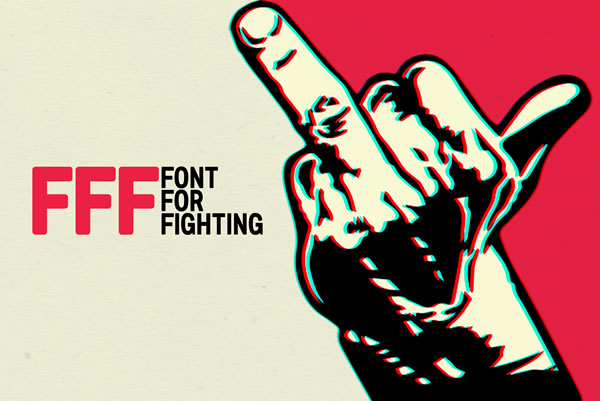
The idea that a font can carry intent is not new, but Font for Fighting takes that concept to a different level. Created by Andrea Gaspari, this typeface was designed with one specific goal: to help people fight. Not literally, of course, but through the power of visual communication. The premise is simple yet provocative—a NO written in Comic Sans carries about as much weight as someone claiming lactose intolerance while reaching for a wheel of Brie. Typeface choice matters, and Font for Fighting gives you a tool that aligns form with function.
This article explores what makes this typeface distinct, who can use it, and how to apply it in ways that respect both the message and the audience.
What Makes the Font for Fighting Different
Most typefaces are created with versatility in mind. They aim to be neutral, legible, or aesthetically pleasing across contexts. Font for Fighting breaks from that tradition. It was built with a specific emotional and rhetorical purpose: to support statements of resistance, protest, and conviction. Every letterform carries an edge—literally and figuratively. The shapes are bold, angular, and unapologetic. They do not whisper. They declare.
Andrea Gaspari’s intent was not to create a font that works everywhere, but one that works when you need to say something that matters. That distinction is important. You would not use this typeface for a wedding invitation or a corporate annual report. But for a protest sign, a poster demanding change, or a social media graphic calling out injustice, it becomes an asset. It communicates before a single word is read.
The design language draws from visual cues found in street activism, grassroots movements, and hand-painted signage. There is a roughness that feels human, not machine-perfect. That imperfection signals urgency and authenticity. In a media landscape saturated with polished branding, Font for Fighting stands out because it looks like it was made by someone who has something to say—not by a committee.
Why Type Choice Shapes Perceived Intent
It is easy to underestimate how much a typeface influences the way a message is received. A call to action set in an elegant serif reads differently from the same words set in a bold sans serif. The emotional weight shifts. Font for Fighting amplifies that effect by design. When you pair strong language with a visually assertive typeface, you create alignment between what is said and how it looks.
Consider a phrase like “This ends now.” In a neutral font, it might be read as a casual comment. In Font for Fighting, it reads as a demand. The visual tone reinforces the verbal tone. This is not about manipulation. It is about clarity. If your goal is to motivate, resist, or demand action, your typography should reflect that energy.
This principle applies beyond obvious activism. Educators fighting for better resources, freelancers pushing back against unfair contracts, or small business owners advocating for their communities can all benefit from type that carries conviction. The font becomes a signal that the message behind it is not optional.
Activists and Cause-Driven Organizations
If you work in advocacy, every design choice matters. Posters, flyers, social media graphics, and banners all compete for attention in crowded spaces. Font for Fighting helps your material cut through noise. It signals urgency and authenticity without needing extra graphic elements. A simple black-and-white poster with this typeface can carry more weight than a full-color design using a generic font. For organizations operating on tight budgets, that efficiency is valuable. You do not need elaborate visuals when your typography already does the heavy lifting.
Designers and Creative Professionals
For designers, Font for Fighting expands the emotional palette. It is not a font you use every day, but when you need a voice of defiance or strength, it delivers. It works especially well in editorial design for opinion pieces, campaign branding for social justice causes, and event posters for talks or protests. It can also be paired with more neutral typefaces to create contrast—letting the headline shout while the body text remains calm and readable. That dynamic adds depth to layouts without visual clutter.
Content Creators and Marketing Teams
Brands that take stands on social issues need typography that matches their messaging. Using Font for Fighting in campaign headlines or limited-edition packaging signals that the brand is serious about the cause. It also distinguishes the campaign from everyday marketing materials. Audiences notice when a brand changes its visual language for a specific message. That shift communicates that this is not business as usual. For marketers, the font works best in focused, short-form content—headers, quotes, calls to action—where its visual impact can land without overwhelming the viewer.
Small Business Owners and Freelancers
You do not need to run a nonprofit to benefit from type with conviction. Small business owners advocating for policy changes, freelancers standing up for fair pay, or local entrepreneurs organizing community initiatives can all use Font for Fighting to strengthen their materials. It works for print flyers, window signs, and social media posts that announce a stance. The key is to use it sparingly and intentionally. When your audience sees this typeface, they should understand that the message behind it matters to you specifically.
Practical Ways to Apply Font for Fighting
The most effective uses of this typeface align with its strengths: short, direct statements that demand attention. Here are several applications that work well across contexts.
- Protest signs and rally banners. The font’s angular forms read well from a distance and hold up in outdoor lighting. Use all caps for maximum impact and keep slogans under eight words.
- Social media quote graphics. Pair a bold headline in Font for Fighting with a clean sans serif for the attribution. Platforms like Instagram and LinkedIn reward concise, bold messaging, and this typeface helps your content stop the scroll.
- Limited-edition merchandise. T-shirts, stickers, and posters for cause-related campaigns benefit from the font’s raw aesthetic. It reinforces the handmade, grassroots feel that audiences associate with authentic movements.
- Editorial headers and pull quotes. In magazines, zines, or blogs, use the font to highlight key statements. It adds a visual exclamation point to arguments or reflections without needing decorative elements.
- Event announcements. For talks, workshops, or community meetings centered on advocacy or justice, the font signals that the event is substantive. It sets expectations before attendees read a single line.
Each of these applications benefits from the same rule: keep the message tight. Font for Fighting is not built for long paragraphs. It works best as a spotlight, not a floodlight. Use it where you want readers to feel something before they think.
Keeping Your Message Clear and Effective
Strong typography can backfire if the rest of the design does not support it. Here are practical guidelines to ensure your materials remain readable, credible, and impactful.
- Limit the font to headlines or short statements. Body text should use a more legible, neutral typeface. This preserves readability and prevents visual fatigue.
- Give it space. Because the letterforms are bold and angular, they need breathing room. Avoid crowding the font with heavy borders, busy backgrounds, or overlapping graphics. White space is your ally.
- Use color intentionally. Black, white, and one accent color usually work best. The font itself carries enough visual weight that adding multiple colors can feel chaotic.
- Consider your audience. Not every message benefits from this level of intensity. If your goal is to persuade a skeptical audience, pairing an aggressive typeface with a moderate tone can create cognitive dissonance. Match the typography to the emotional register of the message.
- Test readability at different sizes. What looks powerful on a poster may feel overwhelming on a mobile screen. Always preview your design in the format where it will be seen most often.
These principles apply whether you are designing for print, web, or social media. Consistency across formats builds trust. Your audience may not analyze the typography consciously, but they will sense when the visual and verbal messages are out of sync.
Adapting Font for Fighting Across Platforms
Each platform has its own constraints, and Font for Fighting performs differently depending on the medium. Understanding these differences helps you adapt without losing the intended effect.
Print media—posters, flyers, banners—offer the most freedom. The font’s angular details hold up well at large sizes, and the tactile quality of paper complements the raw aesthetic. Use it for headlines and let it dominate the composition. In print, less is more. A single bold statement in Font for Fighting can anchor an entire design.
Social media requires more restraint. Mobile screens reduce the impact of fine details, and fast scrolling means your message needs to register instantly. Use the font for the key phrase or call to action, and pair it with a clean, readable typeface for supporting text. Test how it looks in a square format and in the platform’s native preview mode. If the font loses definition at small sizes, adjust the stroke or weight or use it only in larger headline areas.
Web and digital publishing sit somewhere in between. The font works well for blog headers, landing page headlines, and prominent quotes. But because web readability depends on consistent rendering across devices, avoid using it for body copy or navigation labels. Reserve it for elements where you want to create emphasis and emotional tone.
Video and motion graphics open additional possibilities. The font’s angular shapes animate well—they hold their form when scaled or rotated. Use it for title cards, lower thirds in advocacy videos, or closing calls to action. In motion, the font’s intensity can be modulated with timing and easing. A slow fade paired with a bold statement feels different from a sharp cut. Both work, but the effect changes.
Finding the Line Between Strong and Overwhelming
One risk of using a high-impact typeface is overuse. If everything is bold, nothing is. Font for Fighting is designed for moments that matter. Using it for everyday communications dilutes its power. Reserve it for content that genuinely requires conviction. This restraint benefits both the designer and the audience. The audience learns to associate the typeface with important messages, and the designer maintains a tool that actually works when needed.
Another consideration is context. A font made for fighting can be misinterpreted if applied carelessly. A brand that uses it for a casual sale announcement may come across as tone-deaf or performative. The audience is perceptive. They know when typography is being used to manufacture urgency versus when it reflects genuine conviction. Use the font because the message demands it, not because you want to look edgy.
Authenticity starts with intent. If you are using Font for Fighting because you have something real to say, the design will reflect that. If you are using it to borrow credibility you have not earned, the audience will sense that too.
A Tool for the Moments That Matter
Typography is one of the most accessible tools for shaping how a message lands. Font for Fighting gives you a shortcut to conviction—not because it replaces good writing, but because it amplifies the emotional weight of words that are already strong. It works best when the message behind it is clear, honest, and urgent.
Whether you are organizing a rally, launching a campaign, pushing back against unfair treatment, or simply creating work that reflects your values, this typeface offers a visual language that matches the moment. Use it with purpose, use it sparingly, and let the content do the rest.
The font is not the fight. But it can help people see that there is one worth paying attention to.