Machinist Font: A Practical Look at When and Where This Display Typeface Works
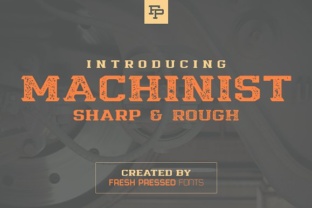
There is something about the right display font that can make or break a project. You spend time on layout, color, and message, but if the typeface does not carry the weight of the intent, the whole thing falls flat. That is where The Machinist comes in. Designed by Fresh Pressed Fonts, this display typeface brings two distinct personalities to the table: Machinist Sharp and Machinist Rough. The Sharp version is strong, sturdy, and clean. The Rough version leans into a more vintage, worn aesthetic. Both come from the same family, but each serves a different purpose depending on what you are trying to communicate.
If you are a designer, small business owner, marketer, or hobbyist looking for a typeface that does more than just sit on the page, this article walks through realistic situations where Machinist fits naturally. No fluff, just practical uses and honest observations.
Understanding the Two Sides of Machinist
Before jumping into specific use cases, it helps to understand what each variation brings. Machinist Sharp is clean and bold. The edges are precise, the structure feels solid, and the overall look is confident without being aggressive. It works well when you need something that feels industrial but polished.
Machinist Rough takes the same basic letterforms but adds texture and wear. The rough edges give it a lived-in feel. It looks like something stamped onto metal or wood decades ago. That makes it useful for projects where you want character, history, or a handcrafted vibe.
Both versions are display fonts, meaning they are meant for headlines, titles, logos, and short bursts of text rather than long paragraphs. That is not a limitation. It is a strength, because it forces you to use them where they will have the most impact.
Branding and Logo Design for Small Businesses
If you run a small business or help others build their brand, you know that a logo needs to say something fast. A font like Machinist Sharp works well for companies in construction, manufacturing, automotive repair, woodworking, or any trade that wants to communicate strength and reliability. The sturdy letterforms feel grounded. They do not wobble or feel trendy. That matters when you want customers to trust your work.
For a coffee shop with an industrial interior or a craft brewery that wants to highlight its handmade process, Machinist Rough might be the better choice. The vintage texture adds warmth and authenticity. It says this business has been around, even if it just opened last year.
Consider a local bike repair shop. Using Machinist Sharp on the main logo gives a clean, professional look. Adding Machinist Rough on a tagline or secondary mark like “Built to Last” creates contrast and visual interest without needing extra graphics.
Posters, Flyers, and Event Materials
Display fonts shine in print materials that need to grab attention from a distance. Posters for concerts, festivals, workshops, or community events benefit from a typeface that reads clearly and has personality.
Machinist Sharp works for modern events where the tone is professional or energetic. A tech meetup, a design conference, or a product launch could use it for the main headline. The clean lines keep the message readable from across the room.
Machinist Rough fits events that lean into nostalgia or handmade culture. Think about a vinyl record fair, a vintage market, or a film screening at an old theater. The rough texture adds atmosphere before anyone reads a single word.
If you are a marketer planning a seasonal sale for a hardware store or a tool company, Machinist Sharp on the headline with Machinist Rough on the details like dates and discounts creates a layered look that feels intentional.
Merchandise and Product Design
T-shirts, hats, tote bags, and mugs are common merchandise items where the font does a lot of the work. A bold display typeface like Machinist can turn a simple word into a design element.
A clothing brand focused on workwear or outdoor gear could use Machinist Sharp for a logo that feels rugged but modern. A hobbyist selling handmade goods at a local market might prefer Machinist Rough for a stamp-like effect on tags or packaging.
If you are an entrepreneur launching a subscription box for DIY enthusiasts, using Machinist Sharp on the box design and Machinist Rough on the insert card creates a cohesive brand experience without needing two different fonts from different families.
Digital Content and Social Media Graphics
Display fonts are not just for print. Social media posts, YouTube thumbnails, website headers, and email banners all rely on typography that stops the scroll.
Machinist Sharp works well for Instagram posts promoting a new product or service. The bold letters hold up on small screens and do not get lost in busy backgrounds. For a blogger who writes about tools, woodworking, or automotive projects, using Machinist Sharp for post titles creates a consistent visual identity.
Machinist Rough adds a different energy. A vintage-inspired post about a classic car restoration or a throwback photo set benefits from the rough texture. It feels less polished and more authentic, which is often what social media audiences respond to.
If you are a freelancer building a personal brand around craftsmanship or hands-on work, using Machinist in your header banner or portfolio thumbnails immediately signals what you are about before anyone reads your bio.
Packaging and Labeling
Product packaging is one of those areas where typography does heavy lifting. A font can communicate quality, origin, or purpose in a split second.
A small-batch hot sauce maker might use Machinist Rough on the label to give the product a handmade, artisanal feel. The rough edges mimic the look of a screen print or a stamp, which fits the small-batch narrative.
On the other hand, a company selling precision tools or mechanical parts would benefit from Machinist Sharp. The clean, sturdy letterforms align with the idea of accuracy and durability. Customers see the font and associate it with quality work.
Even something as simple as a candle jar or a soap wrapper can use Machinist to create a specific mood. If the product is named after a trade or a industrial concept, the font reinforces that connection naturally.
Signage and Environmental Graphics
Physical spaces benefit from typefaces that hold up at scale. Signage for workshops, studios, retail spaces, or coworking hubs needs to be readable from different distances and angles.
Machinist Sharp works well for exterior signs where clarity matters. A welding shop, a auto garage, or a carpentry studio can use it on a storefront sign and have it read clearly from the street. The bold weight ensures it does not fade into the background.
Inside a space, Machinist Rough could be used on wall art, directional signs, or chalkboard-style menus. The vintage feel adds warmth to an otherwise industrial setting. If you run a coworking space for makers and creators, mixing both versions throughout the space gives visual variety while keeping the branding consistent.
Educational and Instructional Materials
Teachers, trainers, and workshop leaders often need materials that are clear and engaging. Display fonts are not always the best choice for body text, but they work well for titles, section headers, and key takeaways.
A welding instructor creating a course handout could use Machinist Sharp for the title. It sets the tone for a hands-on, trade-focused class. A workshop leader teaching leatherworking or blacksmithing might use Machinist Rough on the certificate of completion to give it a keepsake quality.
If you are a blogger creating printables or guides for a DIY audience, using Machinist for the main headings adds visual interest without needing illustrations or photos to carry the design.
What to Consider Before Using Machinist
Like any display font, Machinist works best when you use it intentionally. Here are a few practical points to keep in mind before you download and start designing.
- Readability at small sizes. Display fonts are not built for long paragraphs or tiny text. Use Machinist for headlines, titles, and short phrases. For body copy, pair it with a simple sans-serif or serif typeface that does not compete for attention.
- Context matters. Machinist Sharp and Rough each carry a different mood. Think about what you want to communicate before choosing one. If your project is clean and modern, go Sharp. If it is nostalgic or handcrafted, go Rough.
- Licensing. If you are using Machinist for commercial projects like logos, merchandise, or packaging, check the license terms from Fresh Pressed Fonts. Some fonts require an extended license for certain uses. It is always better to confirm upfront than to redesign later.
- Pairing with other fonts. Machinist has a strong personality. When pairing it with another typeface, choose something neutral that does not fight for attention. A simple sans-serif like Helvetica, Montserrat, or Open Sans works well. For a more classic contrast, try a clean serif like Playfair Display or Lora.
- Color and background. Rough textures can get lost on busy backgrounds. Sharp edges can feel too harsh in certain color combinations. Test your designs on different backgrounds before finalizing. Sometimes a simple black on white or white on dark works better than anything fancy.
Who Benefits Most from Machinist
This font is not for every project, but for the right ones, it makes a real difference. Small business owners in trades or manufacturing will find Sharp a natural fit for logos and signage. Creatives working on event posters or merchandise will appreciate Rough for its vintage character. Marketers building campaigns around durability, craftsmanship, or heritage can use both versions to create contrast and depth.
Freelancers and bloggers who write about tools, building, restoration, or hands-on work can use Machinist to reinforce their visual identity. Hobbyists making products for local markets or online shops will find the font adds perceived value without requiring advanced design skills.
Even educators and workshop leaders can benefit by using the font to create materials that feel tailored to their trade.
Final Thoughts on Using Machinist in Real Projects
The best fonts are the ones that fit naturally into the work you are already doing. Machinist is not trying to be everything to everyone. It is a display typeface with two clear personalities that serve specific purposes. When you match the right version to the right project, the result feels intentional rather than forced.
Whether you are designing a logo for a local machine shop, a poster for a vintage market, a label for a handmade product, or a social graphic for a brand built on craftsmanship, Machinist gives you a solid foundation without requiring extra decoration. The letters themselves carry the weight.
Take some time to test both versions in your actual projects. Try Sharp on a bold headline and Rough on a supporting detail. See how they interact with your colors, your images, and your overall message. Often the best design decisions come from trying something and noticing how it feels in context. That is where Machinist shines.