Uncut Madness: A Horror Font for Vintage-Inspired Design
Font selection in horror design is rarely neutral. Each typeface carries a tone, a period, and a set of expectations that either reinforce or undermine the visual message. Uncut Madness enters this space as a purpose-built horror genre font, drawn directly from the visual language of vintage movie posters, worn paperback covers, and vinyl record sleeves from the horror and exploitation eras. It is not a neutral or decorative face. It is built for impact, for immediacy, and for work that demands a visceral, period-authentic feel.
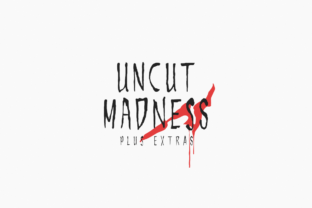
The font includes bloody extras—drips, splatters, distressed characters, and alternate glyphs—that extend its utility beyond standard typography. These extras allow designers to build atmosphere without adding separate overlay assets. This makes Uncut Madness suited specifically for logos, headlines, apparel design, and any context where a single strong visual statement carries the composition.
Understanding where this font fits into a broader creative or business workflow is essential to using it well. It is not a body text font. It will not serve for long paragraphs or subtle communication. But in the right slot, it becomes the central anchor of a project. This article walks through practical integration, workflow considerations, and implementation strategies for getting the most out of Uncut Madness in real projects.
What Uncut Madness Is and Where It Belongs in a Workflow
Uncut Madness is a display font designed for maximum character at larger sizes. Its letterforms carry irregular edges, distressed textures, and a hand-drawn quality that mimics screen-printed or letterpress horror posters from the 1960s and 1970s. The glyph set includes uppercase letters, numerals, punctuation, and a set of decorative blood elements—drips, splashes, and spatters—that can be inserted directly into text strings or used as standalone graphic marks.
In a typical creative workflow, a font like Uncut Madness functions best in the early to middle stages of a project. It is not the research phase, nor is it the final production tweak. It is a defining asset that shapes the visual direction of a logo, a poster headline, or a T-shirt graphic. If you are working on branding for a horror-themed event, a podcast, a game, or a merchandise line, selecting Uncut Madness early helps lock in the tone before other design decisions are made. If you are working on a poster or flyer, the headline set in this font determines the scale, color palette, and supporting typography choices that follow.
It is equally useful during the refinement phase. Once a layout is established, swapping a generic bold font for Uncut Madness can elevate a flat design into something with texture, history, and emotional weight. The bloody extras can be added selectively to reinforce a title or callout without requiring custom illustration work.
Practical Use Cases Across Project Types
Uncut Madness is not a one-size-fits-all tool, but it serves several specific roles well. Below are the most common project types where this font fits naturally into a designer's or creator's workflow.
Logo and Brand Identity
For horror brands, haunted attraction logos, spooky merchandise lines, or genre-specific media properties, Uncut Madness provides an immediate visual identity. The font works best when used as a standalone wordmark or paired with a simple symbol. Because the letterforms already carry distress and irregularity, avoid adding extra effects like drop shadows or bevels that dilute the handcrafted feel. Instead, let the typeface breathe against a dark or muted background. The bloody extras can be used as accent marks—for example, a drip from a descender or a spatter near a baseline—without overwhelming the logo structure.
Workflow tip: When building a logo, start by setting the main word in Uncut Madness at a large size. Then experiment with the alternate characters and extras to find the right balance of grit and legibility. Print a physical proof if possible. The texture of the font reads differently on screen versus paper, and horror aesthetics often benefit from a tactile check.
Headlines and Poster Typography
Posters, flyers, and social media graphics rely on headlines that grab attention within a fraction of a second. Uncut Madness delivers that grab. Its vintage horror DNA signals genre immediately, which means the rest of the design can be more restrained. A minimalist layout with a strong headline in this font often reads as more powerful than a crowded composition with multiple distressed elements.
In a workflow, set the headline first. Then choose a clean sans-serif or slab serif for body copy and secondary information. The contrast between the raw, organic headline and a neutral supporting typeface creates hierarchy without additional decoration. Use the bloody extras sparingly in the headline—a single drip or spatter near a key letter adds atmosphere; too many create visual noise.
Apparel and Merchandise Design
T-shirts, hoodies, patches, and hats benefit from bold, readable typography that works at a distance. Uncut Madness is designed with this in mind. The letterforms remain recognizable even when scaled for a chest print or sleeve graphic, and the distressed texture adds a screen-printed authenticity that buyers associate with vintage band merch and horror convention exclusives.
Implementation consideration: When preparing files for apparel printing, convert the text to outlines and check for any thin connections or fragile details that might break during screen exposure. The font's built-in distress is intentional, but you may want to combine it with a secondary vector shape or border to ensure the design holds up after multiple washes. The bloody extras can be used as standalone elements elsewhere on the garment—a back print detail, a tag label, or a side seam accent.
Integration with Tools, Platforms, and Other Assets
Uncut Madness is a standard OTF/TTF font file that installs on both macOS and Windows and works inside virtually any design application: Adobe Illustrator, Photoshop, InDesign, Affinity, Procreate, Canva, and web-based editors that support custom font uploads. Its compatibility is broad, but its integration into a workflow depends on how you organize and access your type library.
Preparation and Organization
Before starting a project, add Uncut Madness to your active font management system. If you use a subscription service like Adobe Fonts or a local font manager like FontBase, RightFont, or Suitcase Fusion, activate the font only when needed to avoid clutter. Keep the bloody extras documented in a reference sheet or a quick-start guide you create yourself—knowing that character 158 is a large drip or that the underscore key maps to a spatter saves time during layout.
For teams working on a shared project, provide the font file along with a short PDF showing all characters and extras. This prevents coworkers from manually searching for the right glyph when they are under deadline pressure.
Compatibility with Design Assets
Uncut Madness pairs well with rough textures, film grain overlays, halftone patterns, and muted color palettes. If you already have a library of vintage paper textures, ink splatters, or scan artifacts, this font will feel at home layered over them. For digital-first projects, use it against solid dark backgrounds with a slight color shift—dark reds, deep purples, or charcoal—to mimic the ink-on-paper look of vintage horror posters.
Avoid pairing it with other distressed or handwritten fonts. Competition between textures creates confusion. Instead, use one primary voice—the font—and keep all other typography clean and secondary.
Usability, Quality Control, and Long-Term Use
Any font used repeatedly in a brand or content system requires attention to consistency. Uncut Madness is distinctive enough that it becomes a signature element. If you plan to use it across multiple projects—seasonal event posters, recurring podcast episodes, an ongoing apparel line—establish guidelines for its use.
Consistency Across Outputs
Define a minimum size for Uncut Madness in printed materials. Below a certain point point, its distressed edges may reduce legibility. For digital use, test it at the smallest screen size your audience will encounter, especially on mobile. If the font becomes unclear at small sizes, reserve it for larger headlines and use a simpler secondary font for smaller text.
Document the specific extras you use most often. If a particular drip or spatter becomes associated with your brand, standardize its usage. This creates recognition over time without requiring reinvention for every project.
Efficiency in Daily Work
For designers and content creators handling multiple projects per week, speed matters. Uncut Madness reduces the time spent adding atmosphere by hand. Instead of illustrating custom blood drips or manually distressing letterforms, you set text and drop in extras from the keyboard. This efficiency is most noticeable in batch work—creating multiple social media variants, series of posters, or merch mockups where the same typographic treatment is applied to different titles or names.
Set up a starter template in your design application with Uncut Madness already loaded, a preferred background color, and a few placeholder extras. This removes friction when starting a new piece and enforces visual consistency.
Long-Term Usability
A genre font like Uncut Madness does not age the same way trend-driven typefaces do. Because its reference point is already historical—vintage horror media—it remains relevant as long as that aesthetic continues to resonate. For businesses or creators working in horror, Halloween, dark comedy, or retro entertainment, this font can serve as a long-term asset.
To protect your investment, store the font file in a permanent project archive or cloud storage location tied to your asset library. Include licensing information and the original download receipt if applicable. If you collaborate with printers or other designers, keep a copy ready to share with proper rights acknowledgment.
Practical Implementation Observations
- Test at actual scale. Uncut Madness is designed for display sizes above 36 points. Below that, the distress may obscure letterforms. Always test at the final output size, especially for apparel where the print area limits scale.
- Use whitespace as a tool. Because the font carries heavy visual weight, generous margins and negative space around the text improve readability and impact. Crowding Uncut Madness with other graphics weakens its presence.
- The bloody extras work best as accents. One or two drips per headline is usually enough. Using them on every letter or spreading them across the layout reduces their effect and can make the design feel chaotic rather than intentional.
- Consider color carefully. White or light-colored text on a dark background mimics the vintage poster look. On lighter backgrounds, use dark red, deep brown, or black. Avoid neon or pastel colors unless you are deliberately subverting the horror aesthetic.
- Build a library of alternate words. If you create frequent content for a brand or channel, pre-set titles and repeated phrases in Uncut Madness and save them as vector files. This speeds up recurring layouts and ensures consistency.
Integrating Uncut Madness into a Broader Creative Routine
No font works in isolation. Uncut Madness becomes valuable when it fits into a repeatable workflow that includes research, sketching, layout, feedback, and final output. Consider how it connects to the rest of your process:
- Before a project: Decide whether the horror-vintage aesthetic matches the audience and context. If yes, select Uncut Madness early in the planning phase as a directional asset.
- During design: Use the font as the primary headline or wordmark. Build the layout around its proportions. Add extras after the main structure is solid.
- After production: Archive the final files with the font either embedded or outlined. Document which extras were used so you can replicate the treatment in future projects.
The font is also useful in non-client work. Personal projects, mood boards, concept art, or hobbyist work benefit from the same structured approach. Using Uncut Madness in a disciplined way—even for fun—builds familiarity and speed that carry over to professional deadlines.
For educators, bloggers, and small business owners, the font offers a quick way to differentiate visual identity without investing hours in custom illustration. A podcast episode title, a newsletter header, or a product launch graphic gains personality and genre clarity with a single typeface choice.
Final Observations on Long-Term Value
Uncut Madness is not a font you use every day. It is a specialty asset for specific contexts. But for those contexts—horror branding, event promotion, merchandise, retro design—it replaces a significant amount of manual work. The distressed texture, period styling, and built-in bloody extras allow a designer to achieve in minutes what might otherwise require custom drawing, scanning, and cleanup.
That efficiency is the real measure of its value. A tool that saves time while raising visual quality is worth integrating deliberately. By treating Uncut Madness as a planned component of your workflow rather than a spontaneous decorative choice, you ensure that every project using it meets a consistent standard of impact and readability.
Whether you are designing a logo for a local haunted attraction, a poster for a horror short film, or a shirt for an indie brand, this font gives you a direct connection to the visual language that defined the genre. Use it with intention, pair it with restraint, and let its texture do the heavy lifting.