Order Font: Versatile Typeface for Modern Creatives
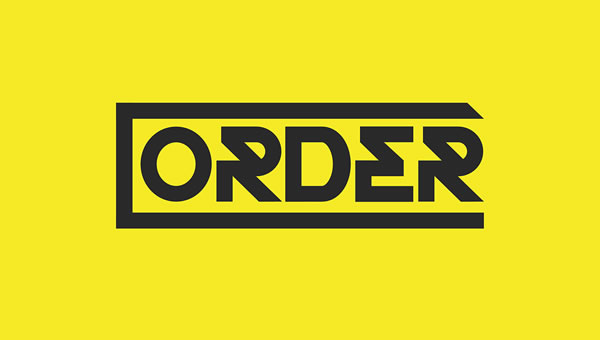
In the ever-expanding world of free typefaces, it’s rare to find one that balances personality with practicality as neatly as Order. Designed by Mike Hill, Order is more than just a single font—it’s a family of four distinct variations: Order Regular, Order Light, Order Outline, and Order Rounded. Each version carries the same underlying structure but offers a different visual tone, making it a flexible tool for anyone from solo entrepreneurs to seasoned design teams.
What makes Order immediately useful is that it doesn’t force you to choose between style and function. Whether you’re building a brand from scratch, refreshing a blog layout, or experimenting with a poster series, these variations let you maintain consistency while shifting mood and emphasis. Let’s walk through each variation and explore how real people—designers, marketers, educators, and hobbyists—can put them to work.
Order Regular – The Foundation for Clarity
Order Regular is the spine of the family. It’s a clean, geometric sans-serif that feels both modern and grounded. The letterforms are balanced, with enough weight to hold its own in headings yet subtle enough for short paragraphs or captions. If you’re looking for a typeface that won’t distract from your content, this is your starting point.
Where it fits best:
- Website body text – Especially for portfolios or service-based sites where readability is non-negotiable. Order Regular keeps text legible at 14–18px sizes without feeling cramped.
- Business reports and presentations – Use it in slide decks or PDFs where you want a professional, no-nonsense look. Pair it with generous white space to let the content breathe.
- Printed materials – Flyers, brochures, and one-pagers benefit from the font’s even rhythm. Test it at medium weights on uncoated paper for a tactile, approachable feel.
For a small business owner creating a pitch deck, Order Regular can serve as the primary heading font while a lighter or smaller size handles supporting details. It’s the kind of neutral-yet-confident choice that helps clients focus on your message, not the font itself.
Order Light – Elegance in Minimalism
When you need to convey lightness, spaciousness, or an air of sophistication, Order Light steps in. Its thinner strokes retain the same geometry as Regular but with a delicate touch that works beautifully at larger sizes or in sparing use.
Creative applications:
- Luxury or high-end branding – Think cosmetics, boutique hotels, or art galleries. Order Light used for logotypes or hero headings can signal understated elegance without being fussy.
- Photography portfolios – Let images take center stage by using Order Light for titles and metadata. It adds a minimalist frame that doesn’t compete with visuals.
- Invitations and event collateral – Wedding invites, gallery openings, or product launch materials look refined when set in Order Light on textured paper or over subtle backgrounds.
Keep in mind that because of its thin weight, Order Light works best at display sizes—generally 24px or larger on screen, and larger still in print. Used sparingly, it creates a rhythm that guides the eye without overwhelming.
Order Outline – Dynamic Visual Interest
Order Outline is perhaps the most distinctive variation in the family. It’s essentially the letterforms drawn as outlines, which gives them an open, airy look that can be filled with color, texture, or imagery. This version is perfect when you want type to feel like a graphic element rather than just words.
Ways to use it:
- Posters and flyers – A large headline in Order Outline, with a background gradient or pattern showing through the open shapes, creates an instant focal point. Combine it with a solid weight from the family for secondary text.
- Video titles and lower thirds – Outline fonts are especially effective on screen because they remain legible even over busy video footage. Add a subtle shadow or stroke to make them pop.
- Merchandise and packaging – Use Order Outline as a stamp or foil emboss on boxes, notebooks, or t-shirts. The hollow letters can hold a contrasting color that matches your brand palette.
Because outline fonts can be harder to read in longer passages, reserve them for short, impactful statements. A single word or short phrase in Order Outline can act as a visual anchor.
Order Rounded – Approachable and Friendly
Order Rounded takes the same clean geometry and softens the corners, giving the typeface a warmer, more approachable personality. It’s less formal than Regular but still structured enough to be taken seriously.
Ideal contexts:
- Apps and user interfaces – Rounded fonts often feel more inviting in digital products. Use Order Rounded for buttons, labels, or onboarding screens where you want to reduce friction and increase trust.
- Children’s content or educational materials – Whether it’s a classroom poster, a workbook cover, or a kid-friendly website, the rounded edges make the type feel less intimidating.
- Informal brands and startups – If your brand voice is friendly, direct, and modern, Order Rounded can reinforce that tone without resorting to cartoonish shapes. It works well in logos, social media graphics, and email headers.
One practical tip: if you’re using Order Rounded in a UI, test it at small sizes to ensure the rounded terminals don’t blend together. At 12–14px, the font remains readable, but you may want to increase letter-spacing slightly for clarity.
Combining the Variations for Consistency and Hierarchy
The real power of the Order family emerges when you use two or more variations together. Because all four share the same underlying structure, mixing them creates a cohesive system without mismatched proportions or conflicting moods.
A practical hierarchy you can adapt:
- Headlines – Order Regular or Order Rounded (bold if needed) for primary titles.
- Subheadings – Order Light or Order Outline for secondary emphasis, keeping contrast high.
- Body text – Order Regular at 16–18px for long-form reading.
- Accents or callouts – Order Outline or Order Rounded for pull quotes, stats, or buttons.
For example, a landing page for a creative agency could use Order Regular for the main header, Order Light for a descriptive tagline, Order Outline for a featured client logo treatment, and Order Rounded for the call-to-action button. The result feels unified but layered—each element has its own job and visual weight.
Adapting Order for Different Audiences and Platforms
One of the strengths of a multi-variation font family like Order is that you can fine-tune it for different audiences without starting from scratch. Here’s how different users can tailor it:
- Marketers and bloggers – Need to grab attention quickly? Use Order Outline for blog post titles and Order Regular for the article body. The contrast between a hollow headline and solid text is eye-catching and keeps readers scrolling.
- Entrepreneurs and small business owners – If you’re building a brand on a budget, Order gives you four looks from one download. Use Order Rounded for social media graphics to appear approachable, and Order Regular for your website to convey credibility.
- Educators and hobbyists – Create worksheets, study guides, or flashcards using Order Regular for main content and Order Light for instructions. The clean lines reduce visual noise, helping learners focus.
- Publishers and editors – For zines, newsletters, or short-run magazines, mix Order Regular and Order Outline to create visual rhythm. An outline drop cap at the start of an article adds a playful touch without breaking the flow.
Staying Organized and Audience-Friendly
With any typeface family, the risk is overusing variations until the design feels chaotic. The key with Order is restraint: pick two or three variations per project and stick to a clear hierarchy. Use spacing, color, and size to reinforce the structure, not the font alone.
Test your choices by asking: “Does this font choice make the content easier to understand or more delightful to consume?” If the answer is yes, you’re on the right track. Order supports this goal because its variations are designed to complement each other, not compete.
One practical recommendation: before finalizing a design, print out a sample page or view it on the actual device your audience will use. The subtle differences between Order Light and Order Outline can affect readability more than you expect. Adjust sizes and weights accordingly.
Bringing Originality with a Free Typeface
Using a free font doesn’t mean sacrificing originality. Order itself is distinctive enough to give a project its own voice—especially when combined with a thoughtful color palette, customized spacing, or a custom logo lockup that plays with the hollow shapes of Outline.
Consider creating a one-page brand guide for yourself that documents which Order variations you use for headers, body, and accents. This simple practice ensures consistency across all your materials, from Instagram stories to printed business cards. It also saves time when you need to produce content quickly.
For designers and creative professionals, Order can be a reliable go-to for client projects that demand a modern, neutral base. Pair it with a serif for contrast, or stay within the family for a streamlined look. The flexibility is there—you just have to decide which flavor fits the project’s personality.
Take some time to download Order and experiment. Put Regular next to Outline in a poster; test Light as a watermark over images; see how Rounded looks in a mobile mockup. The more you use it, the more you’ll discover its natural strengths. And because it’s free, there’s no barrier to trying it in low-stakes projects before committing to larger ones.
In the end, what makes Order valuable isn’t just its four variations—it’s the fact that each variation has a clear purpose. Whether you’re looking for clarity, elegance, dynamism, or warmth, you can find it within this single family. That’s the kind of tool every creative needs in their back pocket.